|
St. Petersburg to Alesund, Norway
Wednesday, June 14, 2017
|
After breakfast, we departed for the airport at 9am to board our private jet for the flight to Ålesund Norway (pronounced Oh-le-send)
Depart: St. Petersburg, Russia 11:00 a.m.
Arrive: Alesund, Norway 12:15 p.m.
Elapsed Time: 2 hours, 15 min.
Sadly, it’s pouring rain as we landed and walked across the tarmac to get inside to clear customs and immigrations. We are so thrilled to have Rob Hernandez from Nat Geo join us at this point in the trip. He is the most awesome lecturer and all around great guy and he’s basically a walking encyclopedia. No matter what topic you ask a question about, he can respond with an informative answer. On our drive into town, we drove through an underwater tunnel that is 450 feet below sea level. We stopped for lunch at Klippfisk Academiet restaurant by the Atlanterhavsparken Aquarium. We had our first taste of some Norwegian specialties, Smoked Whale appetizer, Klipp fish potato puree appetizer and Fish Á Zè Do Pipo entree (kind of like a codfish Shepherd’s pie). We walked around the aquarium a little and looked at the fish in the aquarium. We got a look at one really ugly fish, called the Wolffish, that lives in the waters here. Then we headed downtown for a brief walk around town. Ålesund is a lovely little village, very picturesque. There was a horrific fire in 1904 that nearly burned the wooden homes in town to the ground and left 10,000 people homeless. The town was rebuilt in the then contemporary Jugendstil (Art Nouveau) style. We then drove up Aksla mountain to the Fjellstua Viewpoint–amazing 360 degree views of Ålesund and the surrounding islands and waterways.
Finally checked into our hotel around 6pm. The Storfjord is a lovely rustic (but very upscale) hotel. We have a gorgeous suite with our own fireplace and balcony, 2 bedrooms and 1.5 baths. Nice to have space to spread out.
This evening, we had a wonderful 4 course meal at our hotel. We sat with Mary & Al and Mary and Whit…great dinner companions.
Overnight: Storfjord Hotel-Storfjord Suite
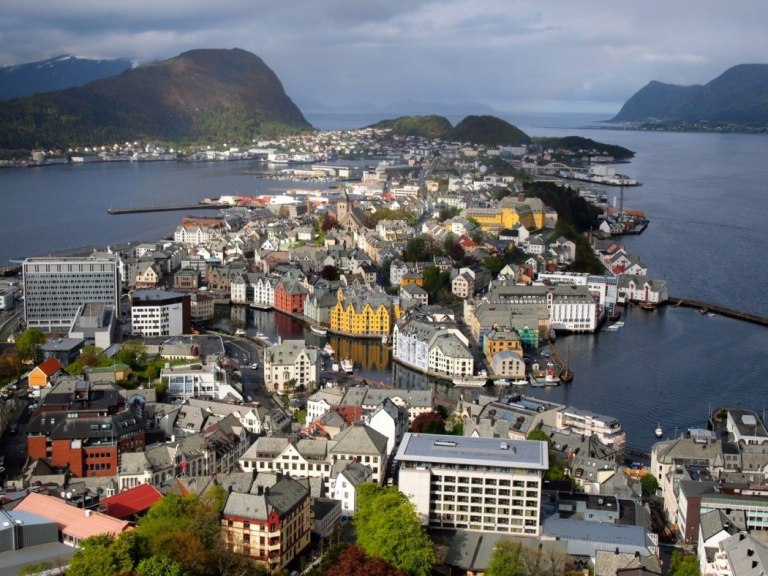
Alesund, Norway

Chilling out by the bay in Alesund

Street Performer in Alesund

View of Alesund from Aksla Mountain
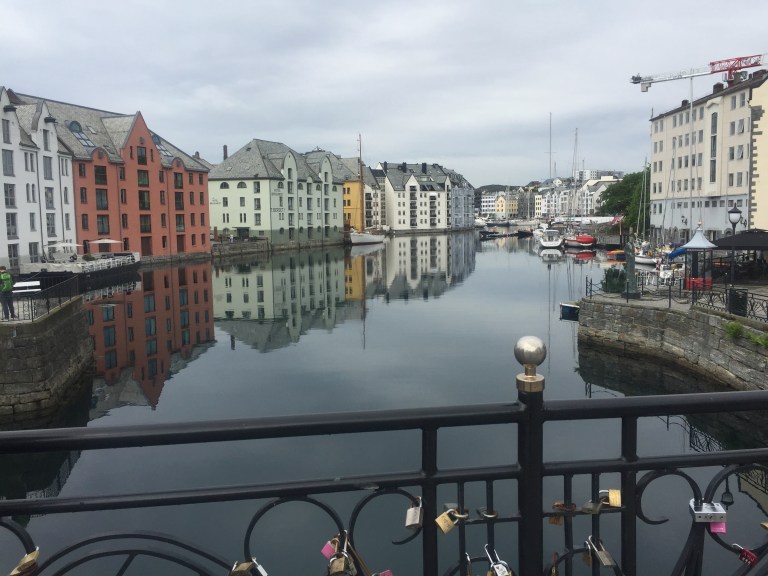
Bay in downtown Alesund

Downtown Alesund
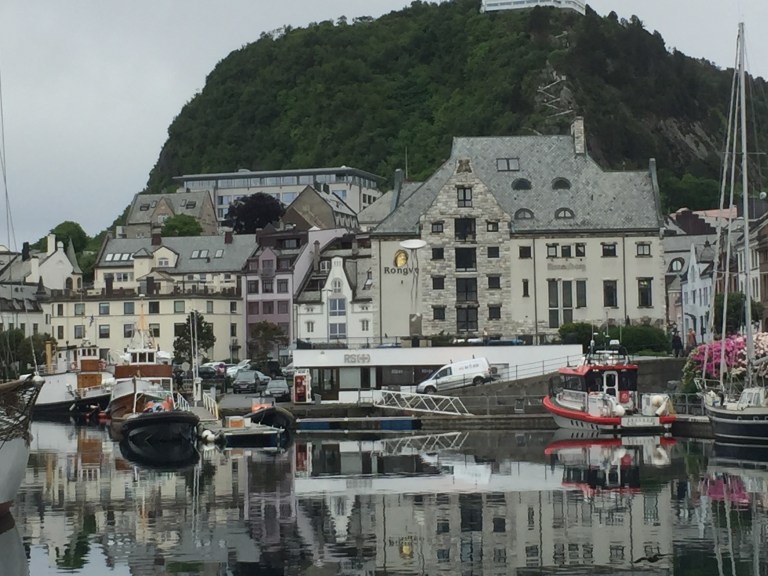
Downtown Alesund
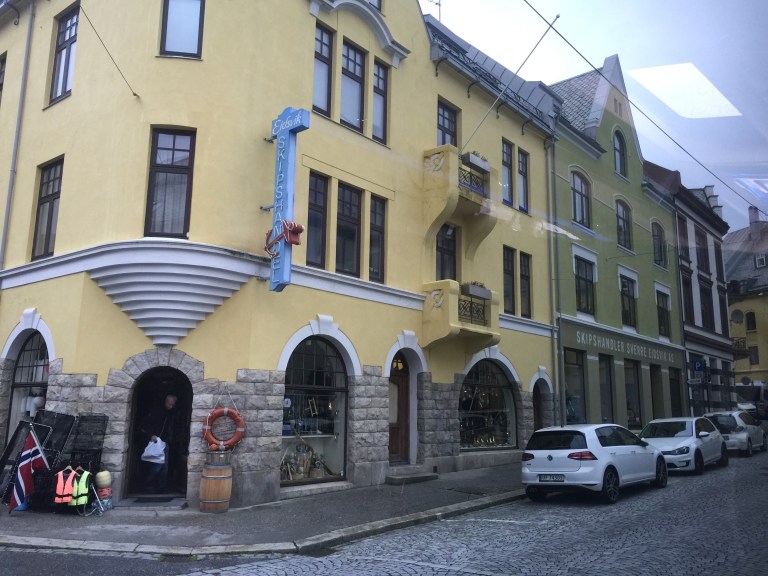
Streets of Alesund
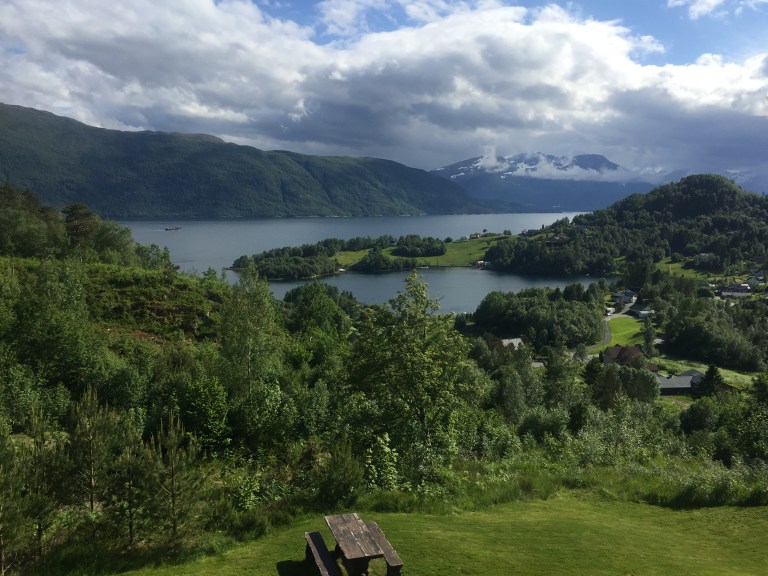
View from Storjford Hotel

Cabin next to our room at Storjford Hotel
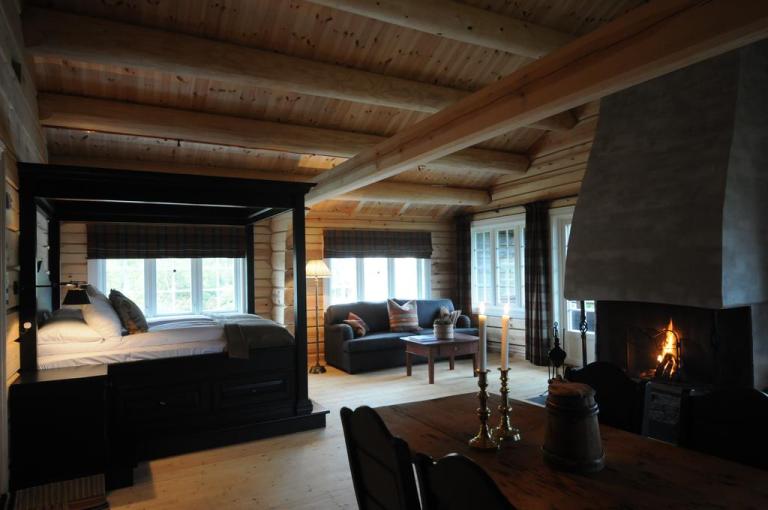
Out Storjford Suite at Stojford Hotel
ALESUND
Located on Norway’s west coast, Ålesund is the gateway to the iconic northwestern fjords and surrounding alpine mountains. The city of Alesund owes its present-day picturesque appearance to a city-wide reconstruction after a fire in 1904 destroyed most of the town. The city was rebuilt with stone and brick in the architectural style of the time, and stands today as a perfect example of Jugendstil design, Northern Europe’s version of Art Nouveau. Visitors can learn more about the style at the Jugendstilsenteret, or Art Nouveau Center. A hike up the 400 steps to the viewpoint Fjellstua is worthwhile as well. The mountain peak offers stunning views of Alesund and the surrounding islands.


Norway has a stable economy with a vibrant private sector, a large state sector, and an extensive social safety net. Norway opted out of the EU during a referendum in November 1994. The country is richly endowed with natural resources in addition to oil and gas, including hydropower, fish, forests, and minerals. Norway is a leading producer of seafood and the world’s second largest exporter, after China. The government manages the country’s petroleum resources through extensive regulation. The petroleum sector provides about 9% of jobs, 12% of GDP, 13% of the state’s revenue, and 37% of exports, according to official national estimates. Norway is one of the world’s leading petroleum exporters, though oil production in 2016 was close to 50% below its peak in 2000. In anticipation of eventual declines in oil and gas production, Norway saves state revenue from petroleum sector activities in the world’s largest sovereign wealth fund, valued at almost $900 billion as of early 2017. To help balance the federal budget each year, the government follows a “fiscal rule,” which states that spending of revenues from petroleum and Fund investments shall correspond to the expected real rate of return on the fund, an amount it estimates is sustainable over time. In February 2017 the Government revised the expected rate of return for the Fund downward from 4% to 3%.
What makes cod from Norway so special? It begins with our cold, clear waters – the perfect environment for cod. It’s in the sustainable fishing practices that protect our shores. It’s in our quality controls, put in place from fjord to fork. And, of course, it’s in the delicious flavour of our flaky white fish.
Cod has an important place in Norwegian culture too. It provided the very first Norwegians with the nutrition they needed to survive the harshest of winters, and today we’re delighted to share its success story with the world.
 D. Kauten's Travel Blog